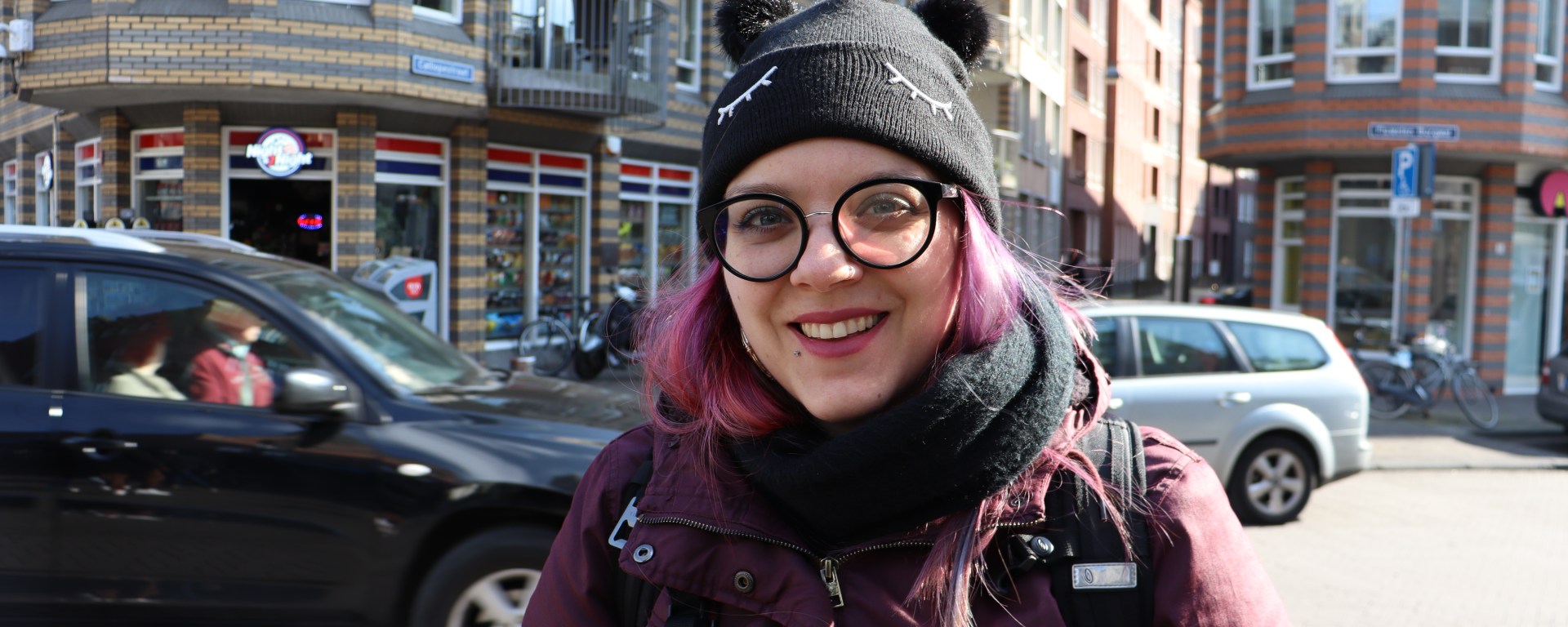
If you’re reading this, you’re probably considering applying for a Happiness Engineer role. That’s great to hear! I’m Maria, and I lead the Libra team in Woo Happiness (the best team). I wanted to give you a real sense of what it’s like to work with me and what we value on our team.
My Journey
My story begins with completing a Digital Systems Engineering degree and not being entirely sure what to do next. 😅 I landed an internship with a tech company in Greece that actually trained interns and placed me in customer support—the beginning of an amazing journey. I couldn’t have asked for a more supportive (no pun intended), more knowledgeable team. Everyone helped me learn the work, collaborated with me on complex tickets, and joined customer calls when frustration levels rose. When the company was acquired and the culture crushed, I moved to a small company building WooCommerce plugins.
I joined Automattic in 2021 through an acquisition, already leading the support team. I was asked to keep leading during the transition, which felt scary. The previous company had just 9 people, where Automattic has over 1400—I didn’t know what to expect from such a tremendous change. After the rough first months focused on learning, it turned out I couldn’t have made a better decision.
Everyone was so welcoming and supportive: no question was stupid, and nobody was too busy to help. After 4 years, I know I’d do it again. The reason? The people. Every single person I’ve collaborated with has been amazing, smart, caring, and dedicated to putting out their best work.
My Leadership Philosophy
When it comes to communication, I believe in being present, transparent, and meeting people where they are. My team and I connect daily in Slack—we have our public channel for morning check-ins and bits of personal life, a private team channel for discussions people don’t feel comfortable having publicly, and a highlights channel for important posts. If something needs individual attention, I’ll DM or save it for our next 1:1. Most of my team works direct support much of their day, so I avoid ad hoc calls unless someone tells me that’s what works best for them.
My goal with feedback is that it must never come as a surprise.. We work with personalized quarterly goals, and everyone posts monthly progress summaries. I use this data, plus our 1:1 conversations about blockers and highlights, to write short monthly updates: what went well, what could improve (and how), and optionally what to focus on next month. For yearly reviews, I gather feedback from colleagues, write a detailed draft, and share it with the team member before I submit it. We discuss and agree on the content together—I want them to have a chance to correct me if I’m missing anything that paints a different picture. When difficult conversations come up, I approach them with kindness and curiosity first. I share what I’m observing, ask for their perspective, and then we discuss a plan for improvement. I also leave room for them to suggest what they think would be a good path forward before making suggestions of my own—for an improvement plan to work, people need to have agency and really consent to the plan.
The way I see our work is about balance: delivering a satisfying customer experience while ensuring an exceptional HE experience. Balancing these two is not easy, but it’s essential if we want the work to be sustainable, rewarding, and efficient. Mistakes, whether big or small, are learning opportunities. Recently, one of my HEs forgot to share something important with a customer. I asked them to follow up to set expectations clearly; they did it quickly, and the customer was grateful! But when the same mistake repeats, that’s a sign that we need to dig deeper together to understand why it’s happening.
Our team culture is built on friendliness, psychological safety, and autonomy. Last year at our Division Meetup in Mexico—which I couldn’t attend due to family reasons—other HEs from Woo Happiness reached out to tell me they’d run into Libra and found the team so bonded they were walking together to presentations, spending lots of time with each other, and taking care of HEs who were there without their lead. Knowing that the members of Libra are really there for each other, even when I’m not around, was incredibly rewarding.
What I Value in Team Members
Curiosity is the most important trait I look for: it’s what opens the path of endless possibilities. A curious HE asks questions not merely to solve the immediate issue, but, more importantly, to understand the merchant, their business, and how to help with their long-term success. Curiosity also drives learning: wondering how things work, how we can improve a process, or how we can grow as individuals.
I value ownership and accountability—understanding when you need to take something into your hands and see it through, or ensuring it doesn’t fall through the cracks by handing it off properly. Recently, a team member spotted patterns in our interactions that led to negative feedback, pitched fixing them as part of their goals, completed the analysis, and shared it with the team—all without anyone asking them to do it. That’s ownership in action.
Finally, collaboration and knowledge sharing help us tackle complex work without fear. In Libra, this looks like shadowing sessions, Learn-Ups, or knowledge posts. And this isn’t just tenured HEs teaching newer members—it works both ways! Fresh eyes questioning how you do things is valuable. Even if you’re still learning about a Woo extension, there’s always room to share your observations. You don’t have to be an expert to contribute.
Real Talk
One of the most challenging aspects of this work is time and task management. Everyone needs to develop a solid plan to keep up with demands while respecting their personal time—consistently working on goals, tracking tasks and deadlines, and collaborating well with colleagues.
Here’s what people might not realize: this role isn’t just about how much you know about WooCommerce or how quickly you can answer questions. It’s about being empathetic, connecting with customers, and genuinely wanting to find the best solution for them. It’s about balancing that empathy with curiosity about their site, business, and goals—taking a step back to see the bigger picture. One thing I’ve learned from all my support roles: it’s often not about answering the question that’s asked, but understanding why it was asked, and addressing the actual issue behind it.
Closing Paragraph – Join Us
I hope you take away that Libra is a team that will support you and help you grow—if you’re willing to put in the work. We openly share knowledge, answer questions, and give feedback, and we expect the same from new team members.
If you’re reading this and feeling hesitant because you don’t tick all the boxes, but this opportunity sparks your interest, you have WooCommerce experience and are curious to take it to the next level, and you’re open to receiving feedback and applying it to improve your work—I’d encourage you to take a chance. We’d love to hear from you.
 Happiness Everywhere